
Codex, The art of fine keeping
Short articles on the cigar: its parts, its origins, how it is made, its history and its keeping. The Codex states what is known, with its sources, and leaves every decision with the keeper of the collection.
Fundamentals
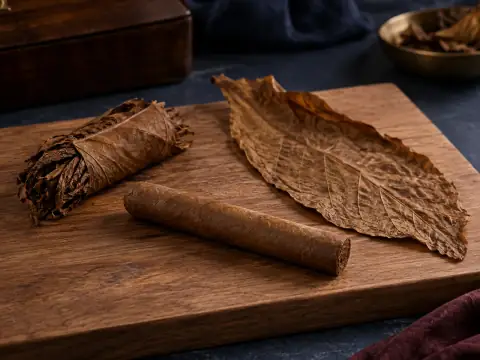 IntroductoryThe three parts of a cigarFiller, binder and wrapper serve different functions. Recognising them helps you interpret the construction and read a technical sheet without attributing the whole blend to the outer leaf.
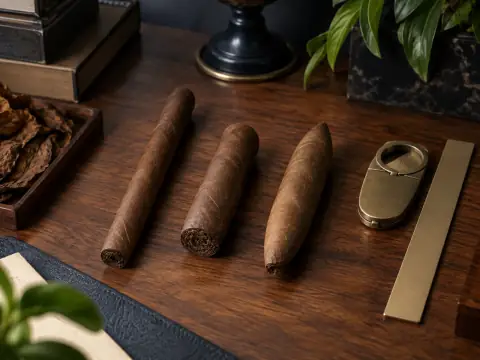 IntroductoryVitolas: reading length, ring gauge and shapeThe format combines length, diameter and shape. Ring gauge is expressed in sixty-fourths of an inch; distinguishing the measurements from the commercial name makes it easier to compare and record pieces.
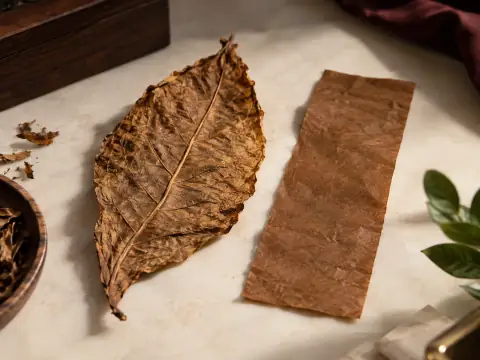 IntermediateNatural leaf and reconstituted leafWhole leaf and reconstituted tobacco sheet are different materials. Composition and manufacturing method should be recorded separately, even for machine-made pieces.
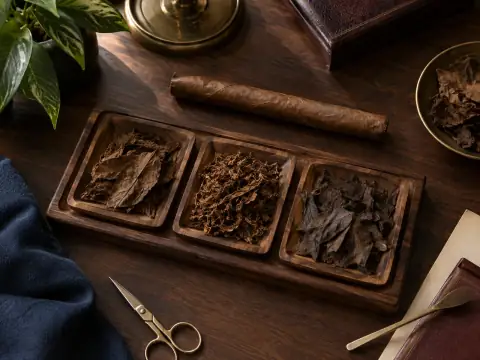 IntermediateWhat filler, binder and wrapper meanFiller, binder and wrapper are the equivalents of tripa, capote and capa. They are construction terms worth translating while also keeping the original wording used on the sheet.
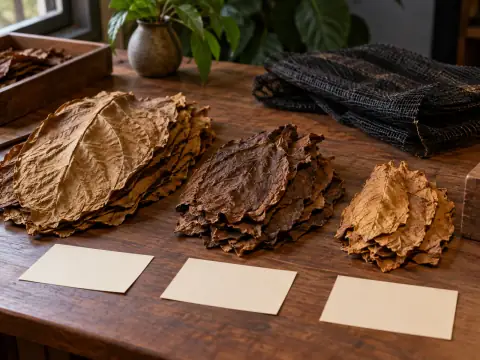 ExpertClassifying the leaf without confusing it with the brandOrigin, position on the plant, cultivation and function are different dimensions. Separating them makes it possible to read technical terms without treating them as brands or as universal quality scales.
Origins and territories
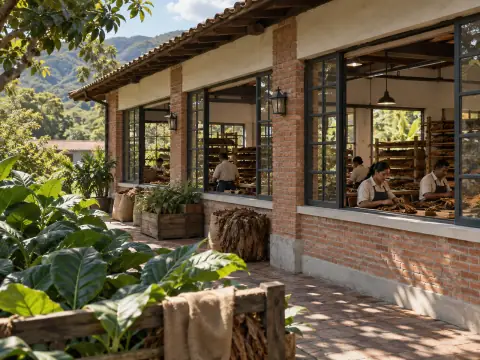 IntroductoryEstelí and the birth of the modern Nicaraguan cigarThe history of Joya de Nicaragua places a milestone for the Estelí industry in 1968. The account connects migration, cultivation and manufacture within the transformation of Nicaragua’s tobacco industry.
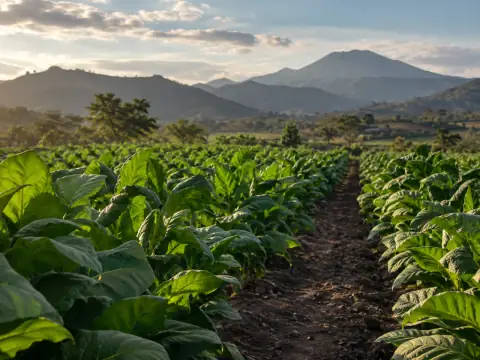 IntroductoryEstelí, Condega and Jalapa: three names to exploreThese regions form a first guide to Nicaraguan tobacco. Their usual descriptions are useful for researching the leaves in a blend, paying attention to the specific information given by each manufacturer.
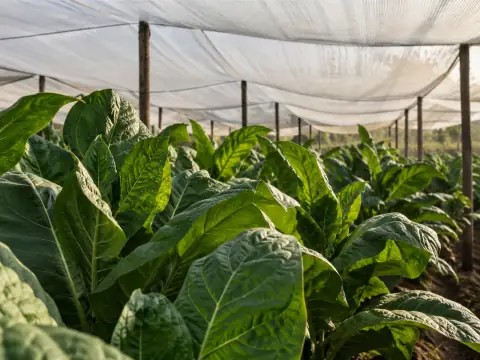 IntermediateJalapa and the search for wrapper leafA Cigar Aficionado report with Néstor Andrés Plasencia shows how wrapper is worked in Jalapa. Cultivation under netting coexists there with fields destined for filler.
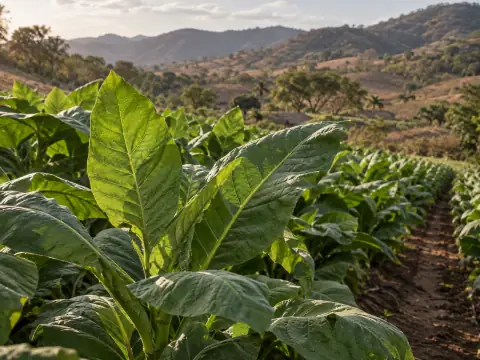 IntermediateCondega as part of a Nicaraguan blendCondega is one of Nicaragua’s main tobacco regions. Its role is best understood by identifying which leaf it contributes to a blend and how the producer describes it.
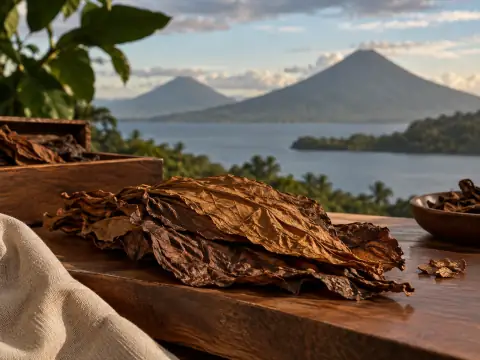 ExpertOmetepe as seen by a growerThe interview with Néstor Andrés Plasencia published in 2013 describes Ometepe tobacco from a grower’s experience. His assessments are presented as attributed and dated testimony.
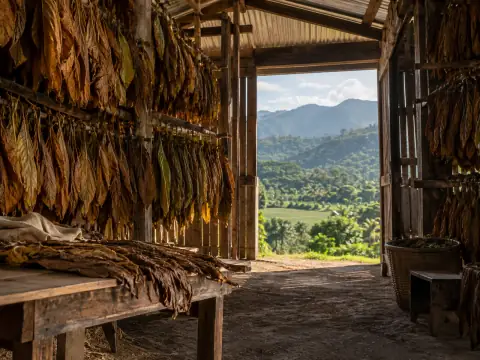 IntroductoryHonduras: Danlí and the Jamastrán valleyDanlí and Jamastrán offer a way into the Honduran industry through manufacture and cultivation. The report on the El Corojo farm provides a concrete case of leaf production.
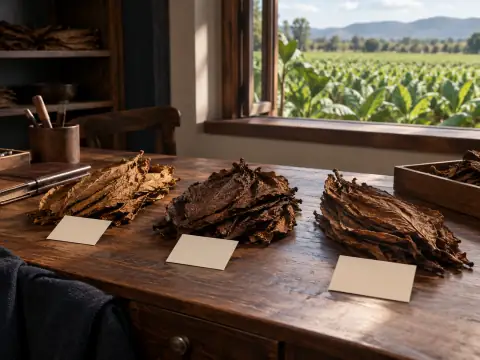 IntermediateMore than one tobacco region in HondurasManufacturers’ testimony distinguishes Danlí, Jamastrán and Talanga in the Honduran landscape. A national label gains precision when the provenance of its components is also known.
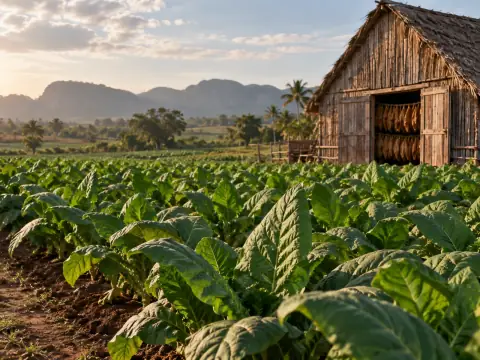 IntroductoryVuelta Abajo and the geography of the HabanoHabanos identifies Vuelta Abajo as its main source of tobacco and as a region that produces filler, binder and wrapper. Provenance helps relate agriculture and denomination.
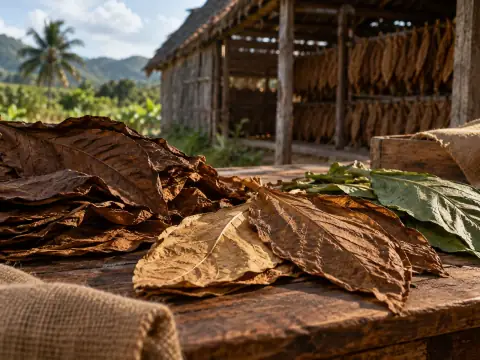 IntermediateSan Juan y Martínez: filler and binder leafThe official description of San Juan y Martínez highlights its link with filler and binder leaves within Vuelta Abajo. The regional information takes on meaning when it is associated with a function in the blend.
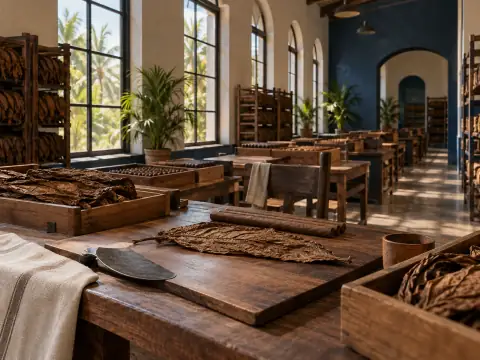 IntroductorySantiago and the Dominican cigar industrySantiago is a point of reference for Dominican manufacture. The General Cigar Dominicana profile on ProCigar offers a view of a company history based in that city.
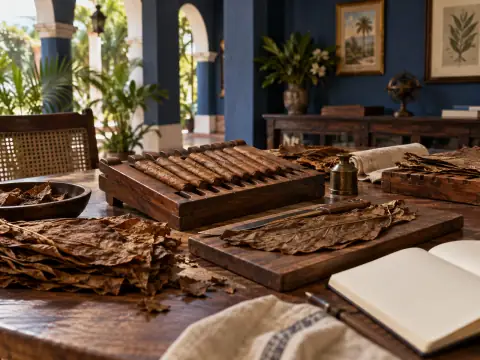 IntermediateProCigar and the identity of the Dominican cigarThe manufacturers’ association, founded in 1992, makes it possible to study the Dominican industry through the very houses that make it up. Its institutional information should be distinguished from the data for each blend.
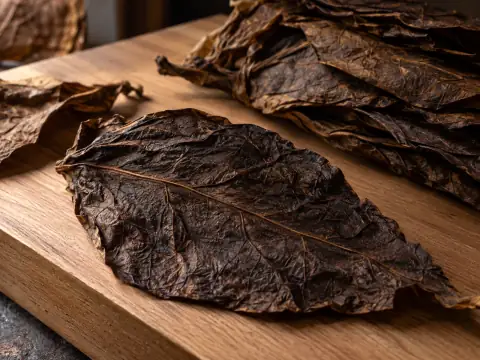 IntermediateSan Andrés Negro: Mexico in the blendSan Andrés Negro is a variety grown in Mexico’s San Andrés valley and used in the international industry. Its name should be kept together with the function stated on the sheet.
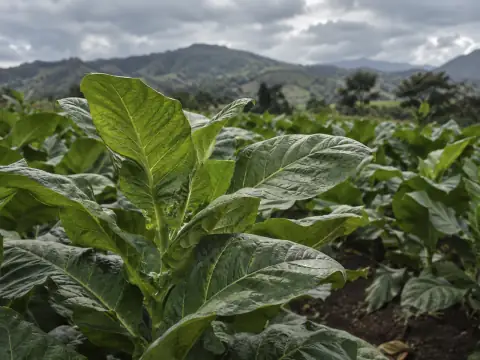 IntermediateEcuador as a source of wrappersEcuador produces wrappers from different seeds. Cigar Aficionado links its growing areas to a cloud cover that filters the light and distinguishes provenance from variety.
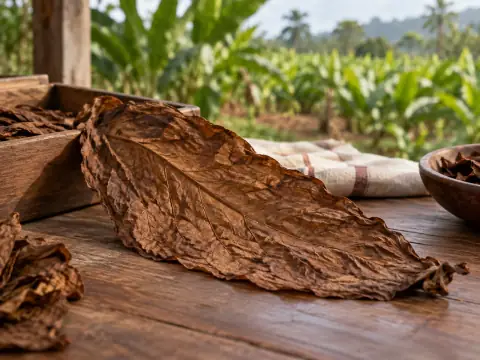 ExpertMata Fina: Brazil also supplies wrappersCigar Aficionado places the cultivation of Mata Fina in Brazil’s Recôncavo. The reference broadens the map of provenances and makes it possible to look into Brazil’s role in a blend.
Growing and leaf
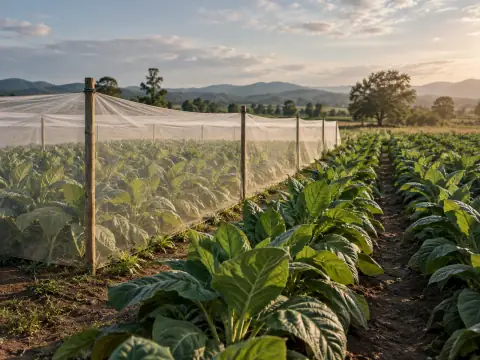 IntroductoryWhy the destination of each leaf mattersWhether a leaf is destined for wrapper, binder or filler influences cultivation decisions. Habanos explains the contrast between protection under cloth for wrapper and sun-growing for the inner components.
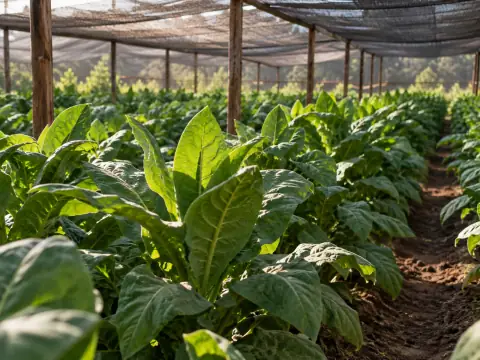 IntermediateConnecticut shade-grown: a specific agricultural categoryConnecticut Shade links seed, shade cultivation and origin in the Connecticut River valley. Recording those elements avoids confusing it with Connecticut-seed leaf grown in other countries.
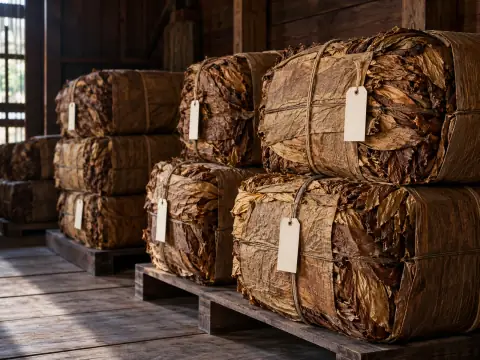 IntermediateThe resting of the leaf before rollingLeaf ageing takes place before manufacture and should be distinguished from the keeping of the finished cigar. Habanos documents leaf periods for its Reserva and Gran Reserva productions.
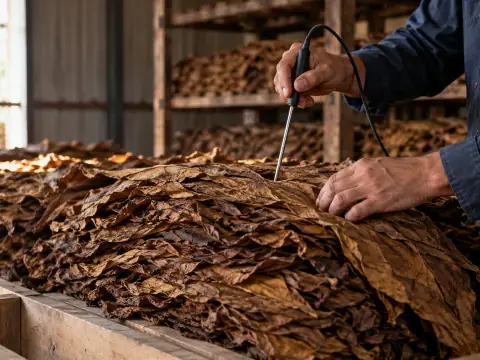 ExpertFermentation: controlling the transformation of the leafLeaf fermentation requires monitoring of humidity and temperature. Habanos describes different treatments depending on the material and a traceability that keeps data on its preparation.
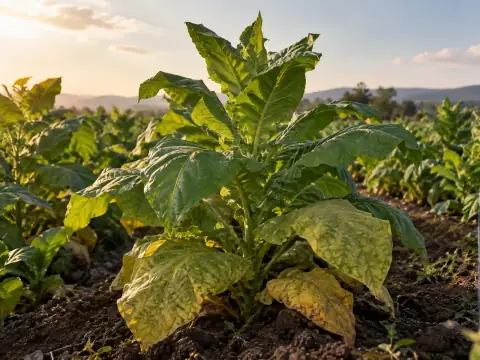 IntroductorySeco, viso and ligero on the plantJoya de Nicaragua describes seco, viso and ligero according to levels of the plant. The terms help to read a filler selection while keeping the vocabulary of the manufacturer that publishes it.
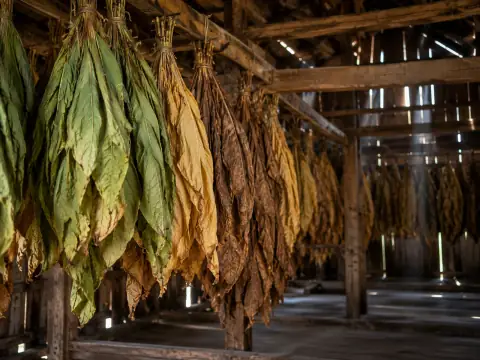 IntermediateCuring: from green to workable leafCuring transforms the freshly harvested leaf into material prepared for later stages. Cigar Aficionado describes hanging leaves, ventilation and gradual changes from green to brown.
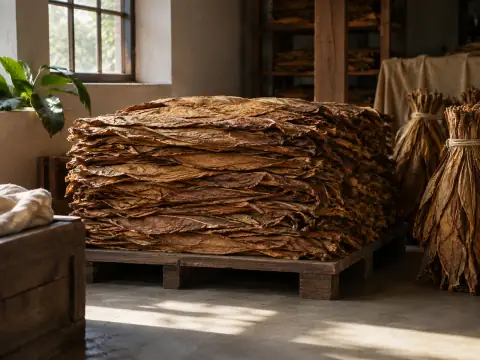 IntermediateWhat happens in the pilonesJoya de Nicaragua describes pilones of moistened leaves that build up heat during preparation. The term makes it possible to distinguish this stage from curing and from the keeping of the finished cigar.
Production
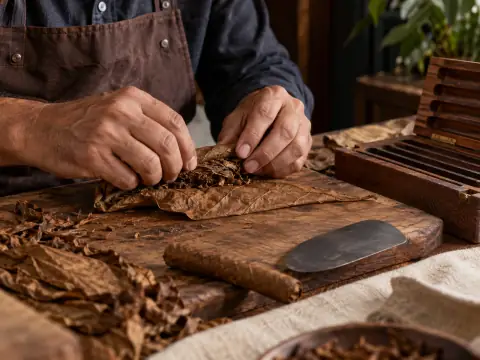 IntroductoryHow a cigar is made by handRolling brings filler and binder together into a bunch, shapes it and covers it with the wrapper. Habanos documents tools and stages that help in observing the craft work.
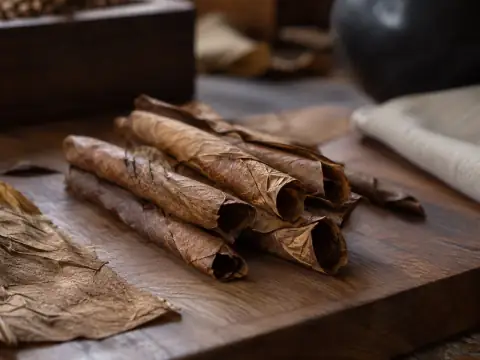 IntermediateFiller orientation and the passage of airBooking, accordion and entubado describe ways of arranging the filler. The vocabulary makes it possible to study internal construction and to record the method each manufacturer reports.
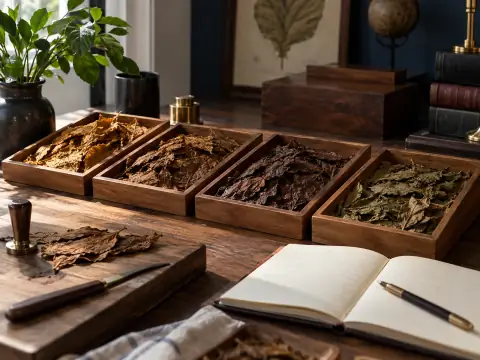 IntermediateBlend: combining leaves with an intentionA blend can bring together different provenances and leaf positions in filler, binder and wrapper. Information on each component makes it possible to study the blender’s work more precisely.
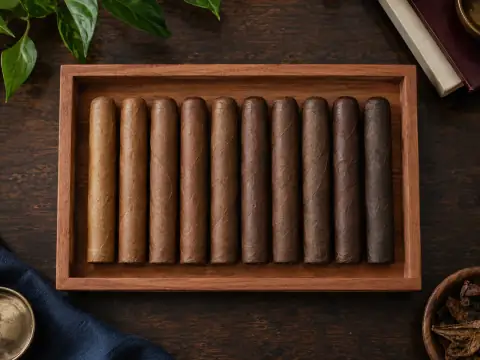 IntermediateWhy colours are matched within a boxColour sorting arranges the cigars before packing. Habanos describes a general classification and a later adjustment of shades to maintain a uniform presentation in each box.
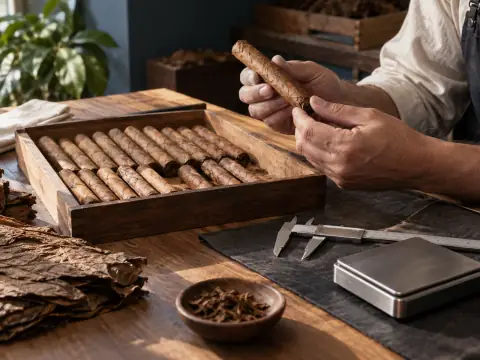 ExpertSpecialisation within a factoryChecking dimensions, construction and draw brings together different tasks. Habanos documents an identification by roller, format and date that makes it possible to follow manufacture through to inspection.
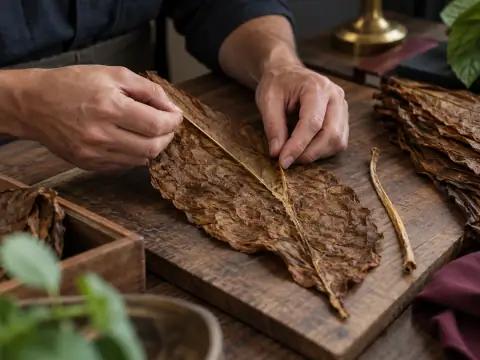 IntermediateStripping before rollingStripping removes the central vein wholly or partly, depending on how the leaf will be used. Cigar Aficionado’s explanation makes it possible to distinguish the preparation of wrapper, binder and filler.
History and culture
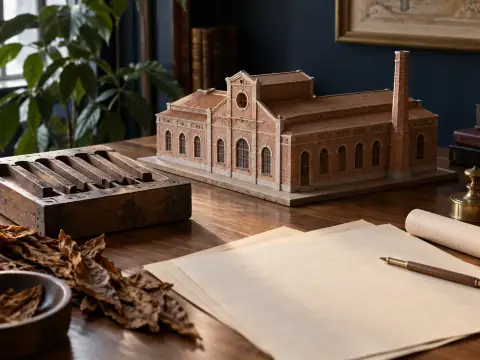 IntroductoryYbor City: a city built around the cigarThe manufacturer J.C. Newman recalls the opening of Sánchez y Haya in Tampa in 1886. The story makes it possible to study how the factories related to the urban development of Ybor City.
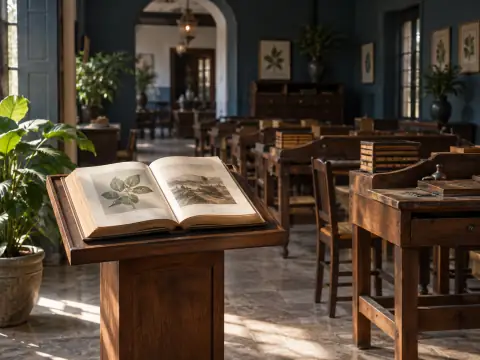 IntroductoryThe factory lectorLectors brought news and literature to the rolling galleries. The J.C. Newman museum’s history explains how they were chosen and funded by the workers of Ybor City.
 IntermediateMutual aid clubsThe Ybor City Chamber of Commerce documents immigrant societies linked to the life of the industrial district. Their history widens the view towards the community organisation that surrounded the factories.
 IntermediateJosé Martí and the Tampa workshopsThe J.C. Newman museum’s account links Martí with the lectors of Ybor City. The case shows how the workshops also took part in the circulation of ideas and in Cuban political history.
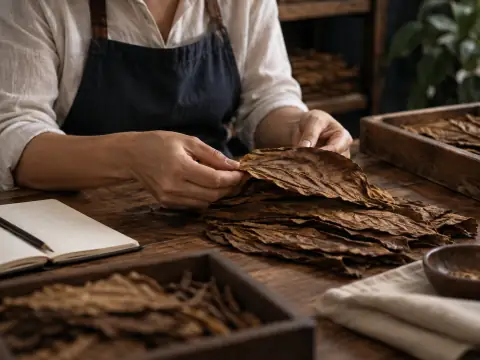 IntermediateWomen and the organisation of tobacco workJ.C. Newman’s company history documents production and administrative tasks carried out by women. The case of its Marion factory makes it possible to study specific contributions within a business history.
 ExpertCuban migration and changes in the industryThe Plasencia timeline connects Cuba, Nicaragua and Honduras. Its family history makes it possible to study the movement of agricultural and business experience between the Caribbean and Central America.
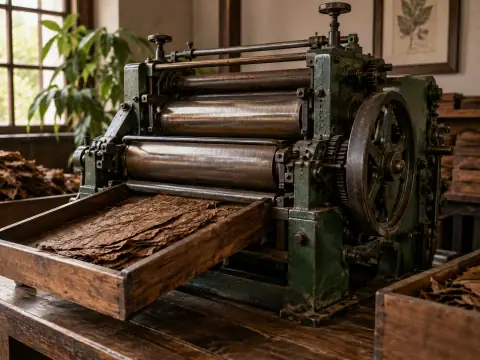 ExpertFrom hand rolling to mechanisationA 2009 report on J.C. Newman shows machines that combined a natural wrapper, a homogenised binder and fragmented filler. The case helps to separate material, technique and human involvement.
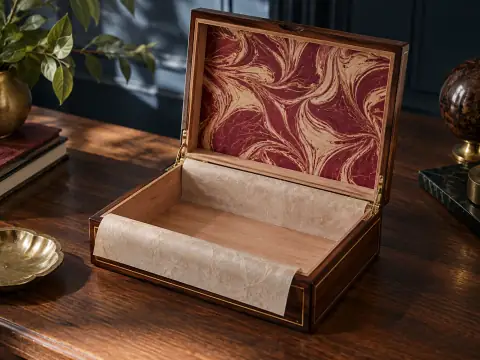 IntermediateThe box as a document of material cultureThe habilitaciones include the cubierta, the vista, the filetes and other elements of traditional packaging. Their vocabulary makes it possible to describe the box and to preserve information distinct from the cigar’s blend.
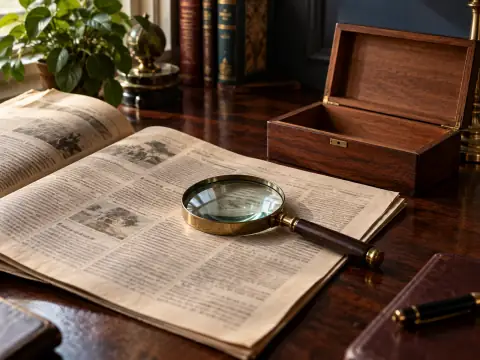 ExpertReading old sources in contextJ.C. Newman’s archive offers a 1908 edition of The Tobacco Leaf. A critical reading distinguishes advertisements, news items and tables before using a historical document as evidence.
Storage
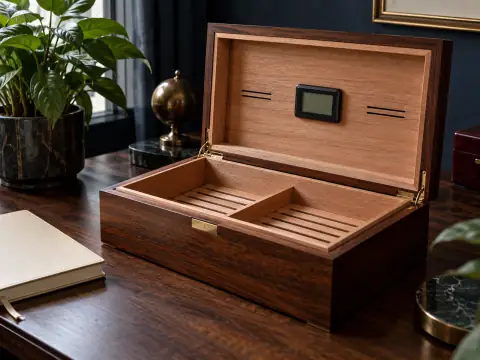 IntroductoryHumidity and temperature: stable storageHabanos publishes a storage range for its cigars and Cigar Dojo explains the prior seasoning of a wooden humidor. The instructions should be applied with attention to the system and the manufacturer.
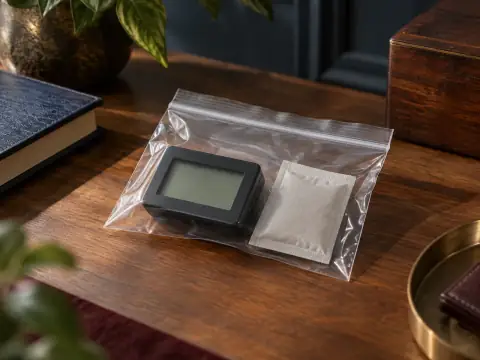 IntermediateCalibrating the hygrometerChecking against a known reference makes it possible to detect a hygrometer’s deviation. Boveda explains a test at 75 % and a minimum time of 24 hours for its calibration kit.
- RestingHow long a cigar should rest, at the factory and in your humidor. Ranges, not dates.
Glossary
GlossaryThe technical terms in the articles, one line each, with the article that explains them.